Charting the Unknown: A Journey Into Antique Map Collecting
Rare books are windows to other worlds and cultures. They offer a glimpse of bygone eras, forgotten ideas, and the way people once understood their place in the world. It’s no surprise that antique book collecting has grown steadily as interest in history and tangible heritage deepens.
But there’s another collectible that connects us to the past in a uniquely visual way: rare antique maps.
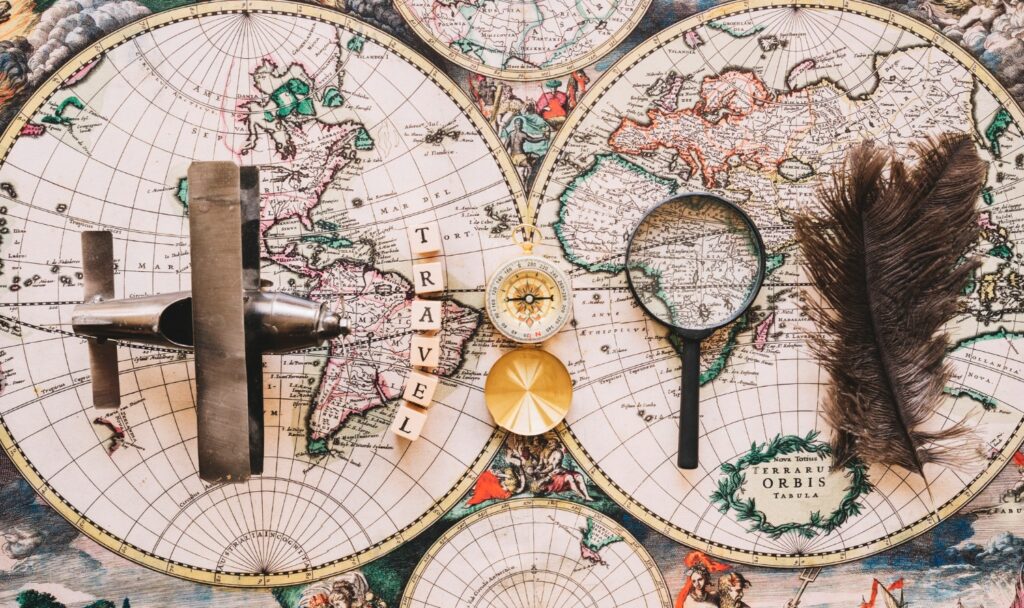
Journeying through history with a captivating fusion of art and geography, antique maps are more than old charts of land and sea. They are artistic treasures, rich with colour, symbolism, and imagination. A collection of maps is called an atlas, and while we rely on digital maps today, maps from past centuries remain irreplaceable artefacts. Antique and vintage maps are not just decorative prints. They are living stories.
In this blog, we’ll explore why rare maps are more than just paper, what qualifies as an antique map, key eras in antique cartography, and how to start your own collection.
Also Read: Provenance of Rare Books
Why Antique Maps Are More Than Just Paper
At first glance, an antique map may look like a charming old document suitable for framing. Look closer, and you’ll see something deeper.
Every old map captures a specific moment in human understanding. They are evidence of exploration, trade, conquest, and discovery.
Beyond geography, antique maps are works of art. Elaborate cartouches frame titles with angels, sea gods, or coats of arms. Compass roses bloom like flowers. The detail reflects a time when mapmaking was as much about beauty as it was about precision.
What Qualifies as an Antique Map?
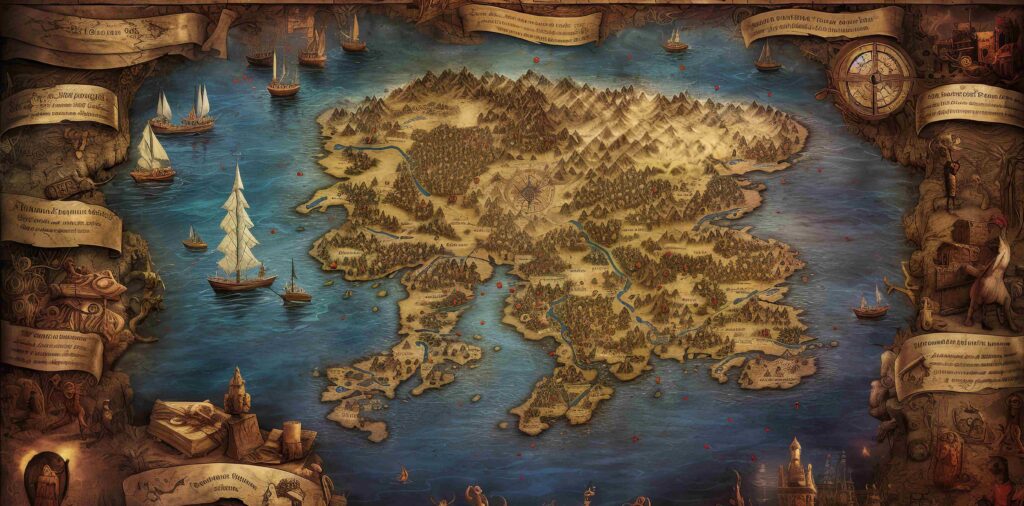
In general collecting terms, an item is considered “antique” if it is at least 100 years old. The same guideline applies to maps. Several factors determine whether a map truly stands out:
- Historical importance
- Rarity
- Condition
- Maker or publisher mark
- Geographic focus
Key Eras in Antique Cartography
Understanding major periods in mapmaking helps you appreciate what you’re collecting.
-
The Age of Discovery (15th–17th Centuries)
This era transformed global geography. European explorers crossed oceans and redrew the world’s outlines. Early maps from this period are rare and often highly valuable.
-
The Enlightenment Period (18th Century)
During the Enlightenment, mapmaking evolved from an art into a science. Advances in astronomy, mathematics, and geography led to more accurate representations of land and sea.
-
Industrial and Colonial Expansion (19th Century)
The 19th century was a time of rapid industrialisation, colonisation, and technological advancement. Maps from this era often highlight railroad systems, telegraph lines, and shifting political borders due to colonial ambitions.
Starting Your Map Collection
If you’re new to antique map collecting, start with curiosity, not investment strategy.
Based on the storage and organisation methods used in libraries, archives, and map libraries, map collections are often classified into horizontal, vertical, and thematic
-
Horizontal Map Collections
These collections are typically stored flat in shallow drawers (map cases). Because they are stored horizontally to prevent damage, this method is used for large, delicate, or heavily used sheets.
-
Vertical Map Collections
Vertical collections revolve around a specific place. This could mean collecting every map you can find of your hometown, a particular country, or a region like the Mediterranean.
-
Thematic Map Collections
Unlike the others based on physical storage, this collection is organised by subject matter. Examples include railway maps, celestial maps, maps of imaginary lands, or even maps shaped like animals.
Types of Antique and Vintage Maps
Antique maps come in all shapes and sizes. Each type tells a different story and attracts different kinds of collectors.
-
World Maps
World maps are arguably the most iconic and universally fascinating type of antique map. They capture not just geography, but imagination.
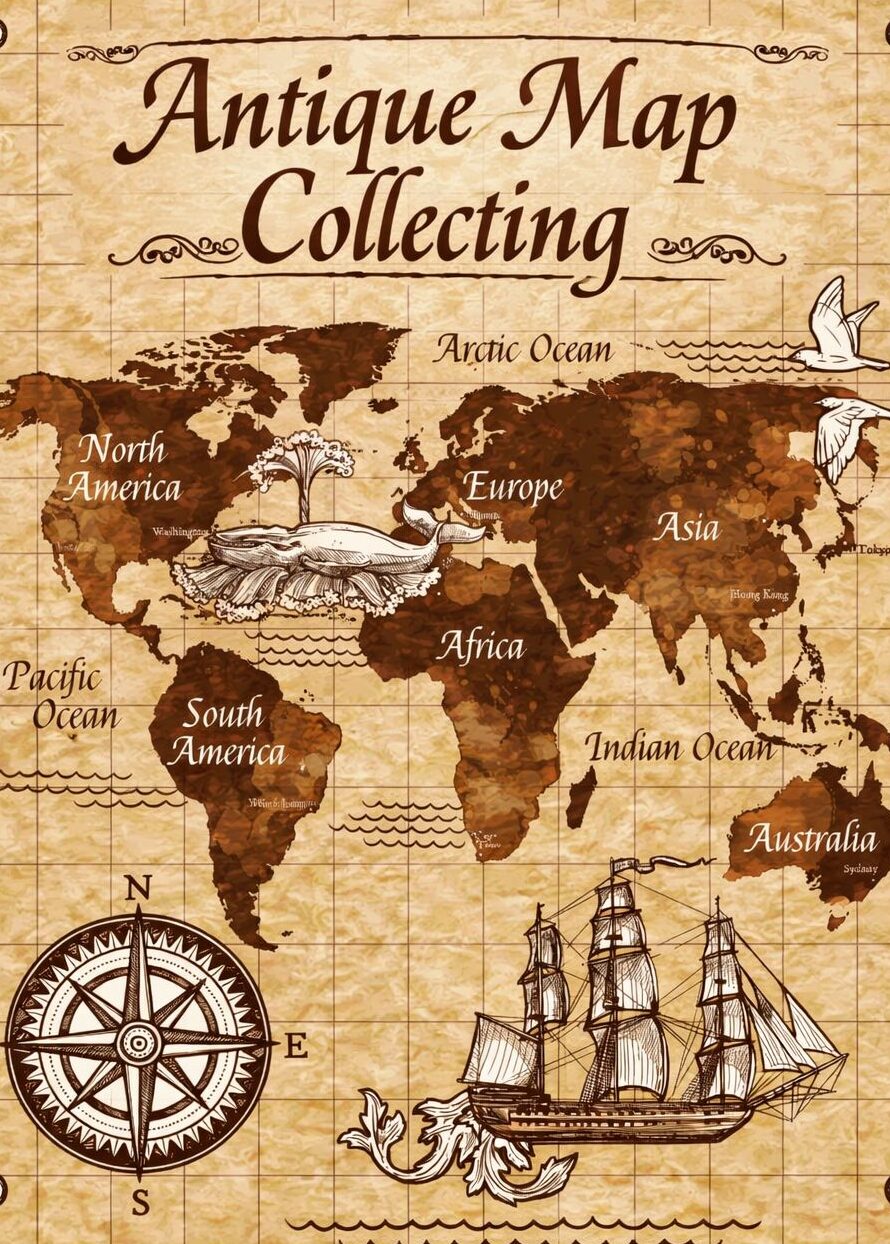
Some of the most famous early world maps feature extraordinary artwork. Oceans teem with mythical sea creatures. Ships sail across elaborately engraved waters.
-
Sea Charts and Nautical Maps
Before GPS and digital navigation, mariners relied on nautical maps, often called portolan charts, to navigate dangerous waters.
These charts typically feature highly detailed coastlines, intricate compass roses, and networks of rhumb lines radiating across the surface to indicate sailing directions.
-
City Plans and Regional Maps
City maps offer an intimate look at how urban centres have evolved. Streets appear where open land once existed. Rivers may follow paths that have since been redirected.
These maps are especially appealing to collectors with a personal connection to a particular city.
Regional maps, on the other hand, focus on counties, provinces, or colonial territories.
-
Railway and Transportation Maps
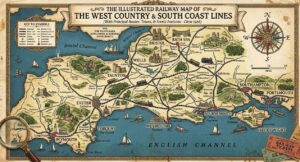
With the rise of the Industrial Revolution came a new kind of mapping focused on movement.
Railway maps charted expanding networks of tracks that connected cities, industries, and ports. Early transportation maps can show the first rail lines cutting across rural landscapes or linking major capitals.
-
Celestial Maps
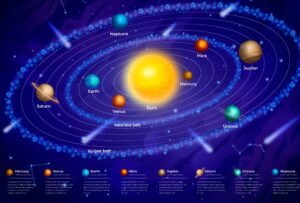
Not all antique maps chart the Earth. Celestial maps illustrate the night sky, mapping constellations, zodiac signs, and planetary paths.
-
Pictorial Maps
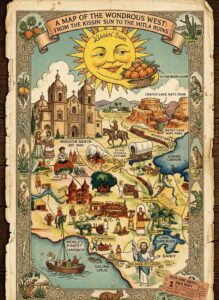
Pictorial maps prioritise illustration as much as geography. Instead of focusing solely on accuracy, they incorporate decorative drawings that highlight landmarks, industries, historical events, or cultural identity.
Tips For Collectors
Starting an antique map collection is exciting. But it’s easy to get overwhelmed. A little preparation goes a long way.
-
Set a Budget and a Theme
Before you dive headfirst into auctions and antique fairs, define your collecting goals.
Are you drawn to nautical maps? Early world maps? Railway routes?
Equally important is setting a realistic budget. Decide what you’re comfortable spending per piece and annually.
-
Learn to Distinguish Originals from Reproductions
One of the most important skills a collector can develop is the ability to tell an original antique map from a modern reproduction.
Reproductions are common. Some are clearly labelled. Others are not.
An original map printed in the 17th or 18th century will show signs of its printing process and age. A modern decorative print, even if it looks old, will usually reveal itself on closer inspection.
Look for provenance. Provenance in map collecting provides valuable insights into a map’s history, ownership, and historical significance.
-
Start Small and Learn as You Go
It’s tempting to chase the rarest or most famous maps right away. Resist those urges.
Start with more accessible pieces. As you study your early purchases, you’ll naturally sharpen your eye.
What to Look for When Buying
When you’re ready to purchase a map, slow down and examine it carefully. Small details matter.
-
Signs of Authenticity
Authentic antique maps often show:
- Light age toning rather than bright white paper
- Plate marks (a slight indentation around the image from the printing plate)
- Minor irregularities from hand colouring
-
Paper, Ink, and Printing Methods
Older maps were typically printed on rag paper made from linen or cotton fibers. This type of paper is surprisingly durable and often feels thicker and softer than modern wood pulp paper.
Printing methods vary by era:
- Copperplate engraving often produces fine, precise lines and a visible plate impression.
- Woodcuts have slightly bolder, less delicate lines.
-
Signatures, Imprints, and Watermarks
Watermarks can also help authenticate a map. Many paper makers embedded subtle designs or initials into their sheets. Identifying a watermark can sometimes help date the paper itself.
The Enduring Appeal
In a world where we zoom in and out of digital maps without thinking, antique maps slow us down. They invite us to trace coastlines with our fingers and imagine unknown territories beyond the margins.
They remind us that knowledge evolves. What once seemed complete was only partial. What once looked certain later changed. That humility is part of their charm.
Collecting rare antique maps is not just about ownership. It’s about stewardship. You preserve a fragment of how humanity once understood the world.
Giftex: A World of Collectibles Auction
This March, Giftex is set to host another exciting online collectibles auction, bringing together an exceptional range of rare and historic treasures.
From rare books that open doors to forgotten eras, to antique collectibles rich with character, and exquisite textiles that carry the craftsmanship of generations past, this event promises something for every serious collector and curious enthusiast alike.


About Post Author