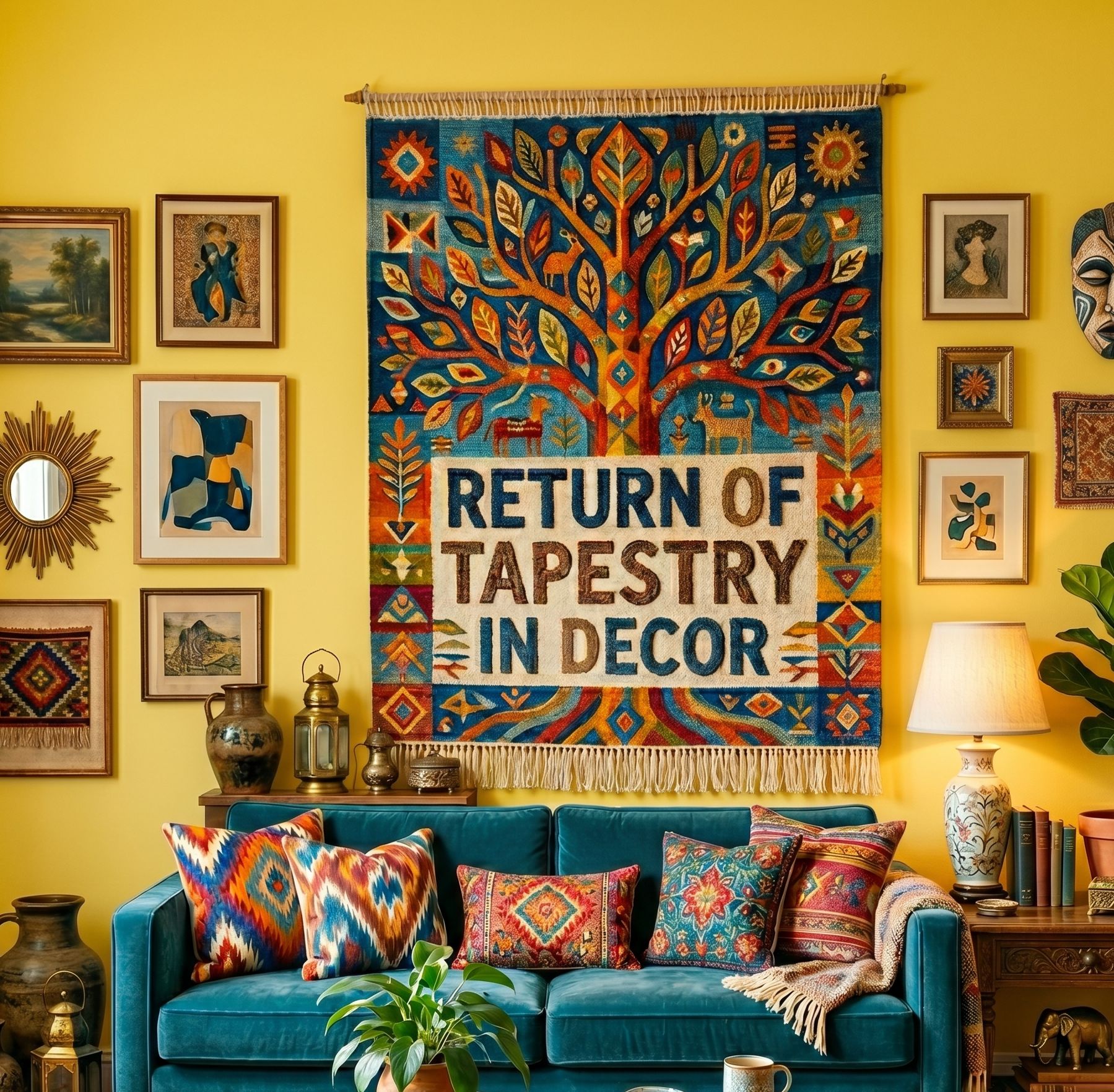
Woven Wonders: The Return of Antique Tapestries in Modern Décor
In the ever-evolving world of interior design, trends are constantly being reimagined. Yet, while many styles fade as quickly as they appear, some elements continue to resurface with renewed relevance. Among these enduring design features, antique textiles have always been quietly preserved and consistently admired. Antique and vintage textiles, such as shawls, carpets, and rugs, bring a timeless charm to any interior. Today, they are not just being appreciated again—they are being actively integrated into modern homes.
In particular, antique and vintage tapestries are being brought back into focus. Once reserved for royalty and nobility, these woven masterpieces are now being reintroduced into contemporary spaces. Their charm has not diminished; instead, it has been reinterpreted. Warmth is being added, stories are being told, and interiors are being made more human through their presence.
As a result, a beautiful blend of old-world craftsmanship and modern sensibility is being achieved. Homes are no longer being designed as flat, purely functional spaces. Instead, they are being layered with meaning, texture, and history—and tapestries are playing a central role in that transformation.
Today’s tapestry trend is all about blending old-world charm with modern design sensibilities. Contemporary designers and homeowners alike are now embracing these antique and vintage tapestries for their ability to transform spaces with texture, colour, and history.
Discover The Top 10 Mother’s Day Gift Ideas
The Return of Wall Tapestries in Décor
A desire for depth and atmosphere is shaping interior decor trends in 2026. Rooms are being curated rather than decorated.
Decorating with tapestries sits at the center of this shift.
Not only are they visually striking, but they are also deeply rooted in history.
Furthermore, tapestries are being valued as investment pieces.
Also, they are being appreciated for their tactile quality. In a world dominated by digital experiences and fast production, something tangible and handmade feels refreshing.
Finally, versatility is a major reason for their growing popularity. For instance, in living rooms, a large tapestry can be used as a focal point above a sofa. In bedrooms, it can be styled as a headboard alternative. Even in smaller spaces, such as reading nooks, a tapestry can be used to create intimacy and warmth.
The History of the Tapestry
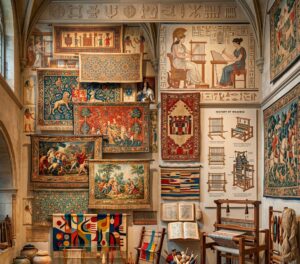
The history of tapestries stretches back thousands of years.
Ancient Origins
Some of the earliest known examples date back to ancient Egypt between 1483 and 1411 BCE. Similar weaving techniques were also developed independently in ancient Greece and China.
The Medieval Era
During the medieval period, from the 12th to the 15th century, tapestries became essential in Europe. Cold stone castles and churches were insulated with large woven hangings. At the same time, these pieces were used to depict religious scenes, historical events, and intricate floral patterns known as mille-fleur designs.
Renaissance Period
The Renaissance period marked a golden age for tapestry production. Workshops in cities like Brussels, Arras, and Paris flourished.
17th and 18th Centuries
Later, during the 17th and 18th centuries, France became a dominant force under the patronage of Louis XIV.
Global Influences
Meanwhile, global influences were also being woven into textile traditions. Through the Silk Road, artistic exchanges between East and West were facilitated. Indian, Persian, and Mughal textiles introduced rich motifs, intricate patterns, and luxurious materials such as silk.
How to Bring Tapestry Into Your Home Décor
Tapestries can be incorporated in several thoughtful ways. Each approach offers a different visual impact, yet all contribute to a more layered and inviting space.
- Hung as Oversized Art
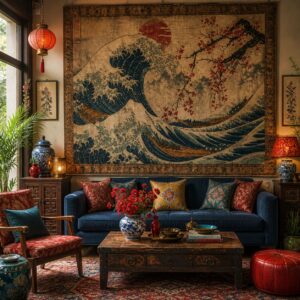
A large tapestry can be displayed as a statement artwork. Unlike framed pieces, it softens the room while still commanding attention.
- A Statement Piece
A bold tapestry can anchor a room. When placed strategically, it can define the overall mood and palette of the space.
- Styled as a Bed Accent
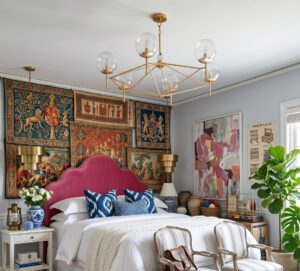
Tapestries can be draped across the foot of a bed or used as a headboard backdrop. This creates texture and adds a sense of comfort.
- Layered Over Other Textures
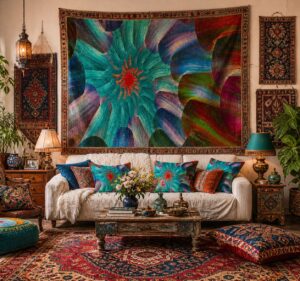
Layering is key in modern decor. A tapestry can be placed over wood, leather, or upholstered surfaces to create contrast.
- Added to a Gallery Wall
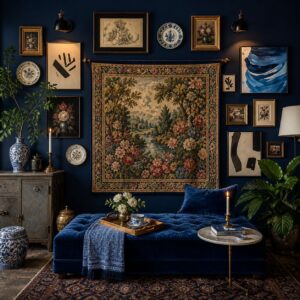
Instead of relying solely on framed art, a tapestry can be introduced into a gallery wall. This breaks monotony and adds dimension.
- Styled in Hallways and Entryways
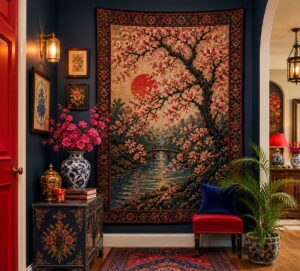
Even transitional spaces can benefit. A well-placed tapestry can turn a hallway into a curated experience.
The Magic Is in the Mix: Past Meets Present
The secret to making tapestries feel modern lies in how they are styled. It is not about recreating the past. Instead, it is about blending eras thoughtfully.
To achieve this balance, tapestries can be paired with:
- Organic, curved shapes
Softer furniture forms help offset the structured nature of traditional designs.
- Natural textures like linen, wool, and leather
These materials echo the authenticity of the tapestry while keeping the space cohesive.
- Warm woods
Wooden elements ground the room and enhance the richness of textile details.
- Earthy tones
Neutral palettes allow the tapestry to stand out without overwhelming the space.
For modern interiors, minimalist designs with muted tones can be chosen. On the other hand, for bohemian or eclectic spaces, vibrant and intricate patterns work beautifully.
Practical Tips For Incorporating Tapestry in Décor
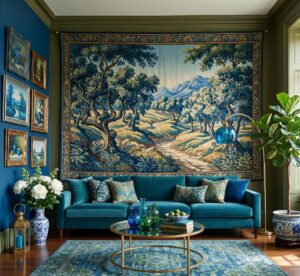
- Avoid overcrowding the space; let the tapestry breathe.
- Use proper mounting techniques to preserve the fabric.
- Balance scale carefully so that the piece complements rather than dominates the room.
How to Acquire Antique Tapestries
When sourcing antique or vintage tapestries, quality should be prioritized over perfection.
These pieces were originally made by hand, often over months or even years. Natural fibers were used, and techniques were passed down through generations. Because of this, they were built to last.
When evaluating a tapestry, structure should be examined first. Strong weaving and stable edges are essential. Signs of careful repair are often more valuable than attempts to conceal wear.
Fading, thinning, and visible mending should not be seen as flaws. Rather, they should be viewed as part of the textile’s story.
Reputable auction houses and textile specialists are often the best places to source authentic pieces.
Final Thoughts
Tapestries and woven textiles are not simply being revived—they are being reimagined.
Their role in modern decor has evolved. Instead of being treated as relics of the past, they are now being used as dynamic design elements. History, artistry, and warmth are being brought together in ways that feel relevant to contemporary living.
Ultimately, tapestries offer something that few decor elements can: a sense of continuity. They connect the past and present. They add depth without overwhelming.
As design continues to shift toward authenticity and meaning, it is clear that these woven wonders are not just a passing trend. They are here to stay.
Giftex: A World of Collectibles Auction
Giftex is back this May with its A World of Collectibles Auction. Rare antique treasures and vintage collectibles will be showcased, offering something for every collector and design lover.
From timeless textiles to unique statement pieces, remarkable finds are waiting to be discovered.
Don’t miss this chance to own a piece of history.


About Post Author