The Collector’s Secret to Identifying Valuable Porcelain Figurines
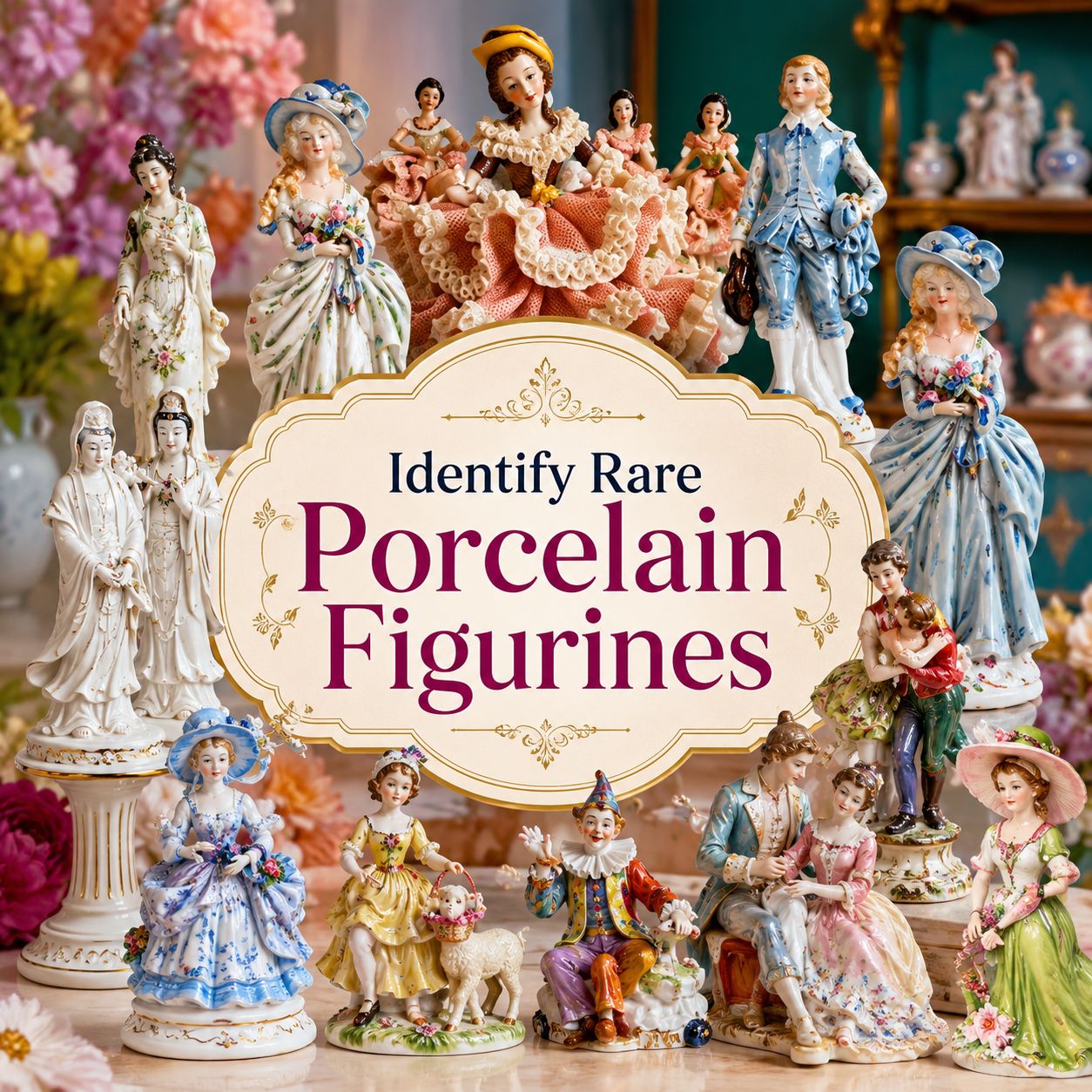
Antique and vintage porcelain figurines are among the most sought-after items among collectors. For centuries, porcelain and ceramics have been admired not only for their beauty but also for the craftsmanship behind them. In fact, historians believe that sculpting with clay and stone dates back as far as 25,000 BC. Over time, these early artistic practices evolved into the refined porcelain figurines that collectors value today.
Today, the market for collectible vintage porcelain figurines continues to grow steadily. From elegant European masterpieces to charming decorative pieces, porcelain figurines are often purchased for both investment and home décor purposes.
However, many owners have no idea what their figurines are truly worth. The difference between an ordinary decorative item and a highly collectible antique usually comes down to identification, authenticity, rarity, and condition. Genuine antique porcelain figurines from famous makers such as Meissen, Royal Doulton, Royal Copenhagen, or Hummel are often highly valuable, while reproductions typically hold little collector interest.
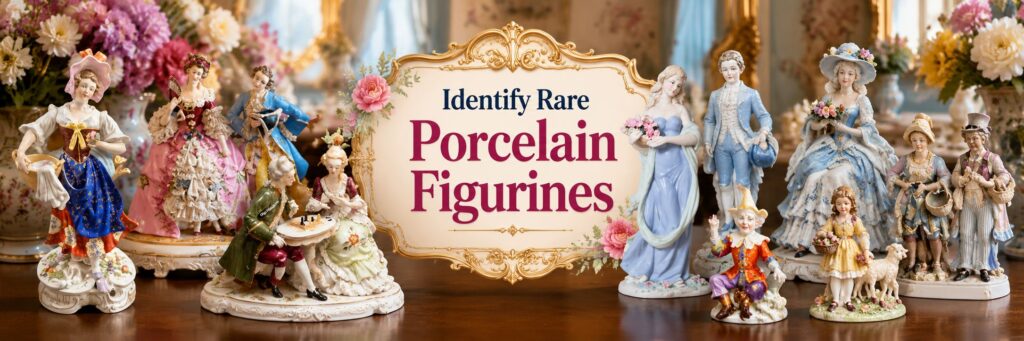
If you want to identify rare porcelain figurines correctly, several important details should be examined carefully.
Also Read: The Whimsical World of Lladró Porcelain
How to Tell If A Porcelain Figurine Is Genuine
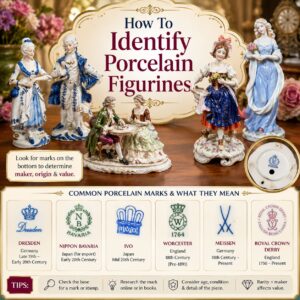
Porcelain figurines have been produced throughout Europe and Asia for hundreds of years. Unfortunately, many famous designs have also been copied extensively. Because of this, identifying genuine vintage porcelain figurines require attention to detail.
- Check for Maker’s Marks and Backstamps
https://www.youtube.com/watch?v=RSJ2mmN08K0&t=374s
Video credit: Potteries Author – David W. Smith, OBE
The first thing experienced collectors usually examine is the underside of the figurine. Marks stamped, painted, or carved into porcelain can reveal valuable information about the piece.
What Maker’s Marks Can Tell You:
- The Manufacturer
A maker’s mark, also called a backstamp, is often the most important clue when identifying porcelain figurines. The mark helps determine which company produced the item.
For example:
- Meissen uses the famous crossed swords mark.
- Royal Copenhagen commonly features three wavy blue lines.
- Hummel figurines include trademark bee symbols and production markings.
- The Age of the Figurine
Backstamps changed over time. Because of this, marks can often help estimate the production date of a figurine. Collectors and researchers have documented many historical mark variations used by major porcelain manufacturers.
- Model Names and Numbers
Many figurines also include auxiliary marks, artist initials, model numbers, or pattern names. These markings can help identify a specific figurine design and compare it with auction records.
- Inspect the Quality and Craftsmanship
Rare and valuable porcelain figurines were generally handmade and hand-painted. Therefore, craftsmanship quality is one of the strongest indicators of authenticity and value.
- Hand-Painted Details
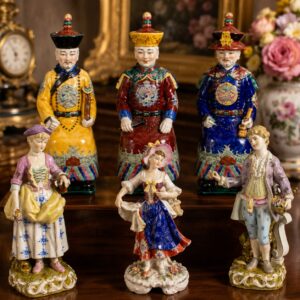
Authentic antique figurines often display subtle brushstrokes, gentle paint layering, and slight imperfections that reveal human artistry.
When facial features are examined closely:
- Eyes, lips, and eyebrows may show tiny inconsistencies.
- Brushstroke thickness can vary slightly.
- Paint depth may appear layered rather than flat.
By contrast, modern reproductions often use transfer printing or machine decoration, which creates perfectly identical features.
- Decorative Elements
Intricate decorative details usually increase collectible value. Fine porcelain pieces may feature:
- Delicate lacework
- Tiny flowers
- Flowing garments
- Expressive faces
- Detailed hairstyles
- Gold Accents and Decoration
Gold trim and decorative gilding should also be inspected carefully. On older pieces, some gentle wear may be visible due to age.
- Weight and Translucency
Fine porcelain is generally lightweight and translucent. Cheaper reproductions tend to feel heavier and less refined.
- Identify Limited Editions and Artist Signatures
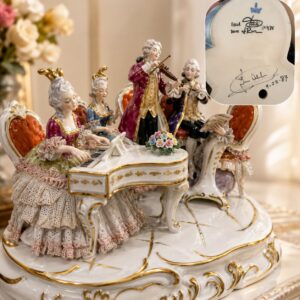
Limited edition figurines are often more valuable because fewer examples were produced.
Edition numbers are usually written on the base and may appear as: 23/250
This means the figurine is number 23 from a production run of 250 pieces.
Legitimate limited editions are frequently accompanied by:
- Certificates of authenticity
- Original boxes
- Matching documentation
Artist signatures can also increase value significantly, especially for high-end European porcelain manufacturers.
- Look for Genuine Signs of Age
Many collectors assume that perfect condition automatically means authenticity. However, genuine antique porcelain often displays natural ageing signs.
- Base Wear
The underside of old figurines commonly shows:
- Fine scratches
- Slight glaze dulling
- Minor shelf wear
If a supposedly antique figurine looks completely untouched underneath, caution should be exercised.
- Crazing
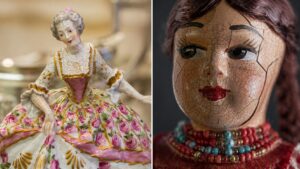
Crazing refers to fine cracks in the glaze surface caused by age, humidity, and temperature changes over time.
Light crazing can be acceptable and may even support authenticity in older pieces. However, excessive crazing may lower the value depending on severity.
- Manufacturing Imperfections
Earlier porcelain production methods were less mechanically precise than modern manufacturing. Therefore, small firing spots, kiln marks, or glaze inconsistencies are often considered normal.
- Condition Problems
Although minor age-related imperfections may be acceptable, serious damage can reduce value dramatically.
Collectors carefully inspect for:
- Cracks
- Repairs
- Missing parts
- Broken fingers or limbs
- Recognize Famous Porcelain Styles and Makers
Understanding historical styles can help identify valuable porcelain figurines more accurately.
- Meissen Porcelain
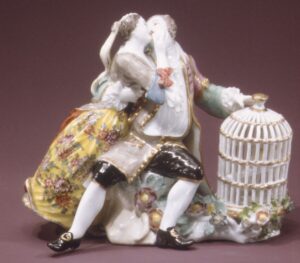
Meissen porcelain is among the most respected and collectible in the world. Early examples are known for:
- Exceptional hand-painting
- Detailed sculpting
- Rich European themes
- Crossed swords marks
- Hummel Figurines
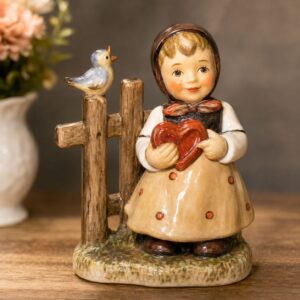
Hummel figurines are based on the artwork of Sister Maria Innocentia Hummel. These pieces are famous for their child-themed designs and charming rustic appearance.
- Art Nouveau and Art Deco
Porcelain figurines from the Art Nouveau and Art Deco periods remain highly collectible.
Art Nouveau (1890s–1910s)
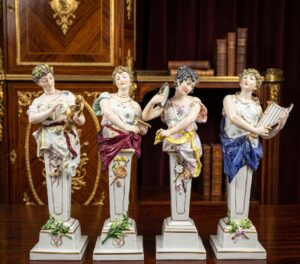
This style often includes:
- Flowing lines
- Natural floral themes
- Elegant female figures
Art Deco (1920s–1930s)
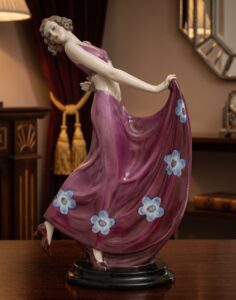
Art Deco figurines typically feature:
- Geometric styling
- Bold poses
- Modern aesthetics
- Verify Authenticity Through Documentation
Documentation can significantly strengthen both authenticity and resale value.
Important supporting materials include:
- Certificates of authenticity
- Original receipts
- Provenance records
- Auction paperwork
- Professional appraisals
A well-documented ownership history can also increase buyer confidence and improve market value.
How to Know if a Collectible Figurine Is Valuable
Once identification research has been completed, the figurine’s value can be estimated more accurately.
Several important factors influence value:
- Rarity
Rare figurines generally command higher prices.
Rarity may result from:
- Short production runs
- Early manufacturing periods
- Discontinued designs
- Artist collaborations
- Production errors
However, not every “limited edition” figurine automatically becomes valuable. True rarity depends on collector demand and surviving quantities.
- Complexity of Design
Highly detailed figurines usually require greater craftsmanship and labour.
Examples of complex designs include:
- Dancing groups
- Horse-drawn carriages
- Multi-figure scenes
- Lace porcelain
Because these pieces were more difficult to produce, they are often considered more collectible.
- Condition
Condition remains critical in porcelain collecting.
Even rare figurines lose significant value if major damage is present.
Before purchasing, buyers should carefully inspect for:
- Hairline cracks
- Restoration work
- Missing fingers
- Repainting
Final Thoughts
Collecting antique and vintage porcelain figurines can be both rewarding and profitable. While some pieces are valued primarily for decorative beauty, others hold significant historical and financial importance.
By learning how to identify maker’s marks, evaluate craftsmanship, recognize authentic aging, and verify rarity, collectors can avoid costly mistakes and uncover genuinely valuable treasures.
Whether you are buying your first figurine or expanding an established collection, understanding the difference between authentic antique porcelain and modern reproductions is the key to making informed decisions.
Giftex: A World Of Collectibles Auction
This May, Giftex presents collectors and antique lovers with an exciting opportunity to discover rare treasures at its renowned World of Collectables Auction.
From antique treasures and vintage collectibles to timeless decorative pieces, the auction will feature a carefully curated selection for passionate collectors and first-time buyers alike


About Post Author