How Collectors Value the Bodhisattva Avalokitesvara Monumental Figure in Antique Art
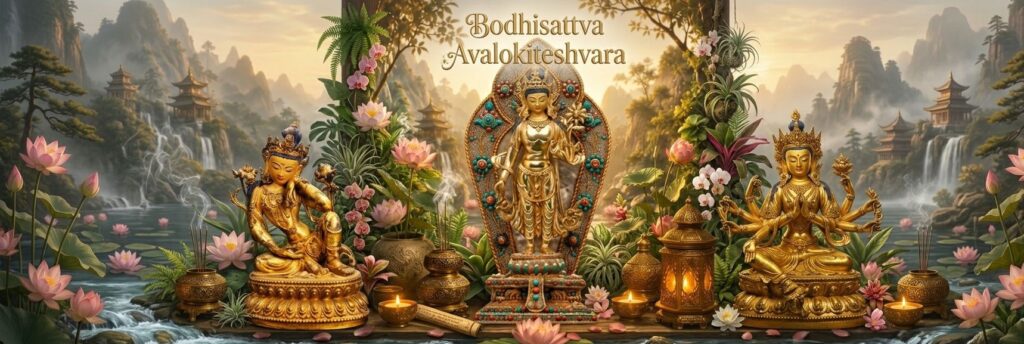
The Bodhisattva of Compassion, more commonly known as Avalokiteshvara, is one of the most honoured deities in Mahayana Buddhism. He is seen as the embodiment of someone who gives endless kindness and never-ending love to people. The bodhisattva Avalokiteshvara has long been a focus of devotion in East Asia. It is believed that he has vowed to liberate all creatures in the universe from pain and suffering and therefore deferred his enlightenment to achieve Buddhahood.
People from all walks of life seek help and blessings from him, not only because of his tremendous mercy but also his ability to save everybody.
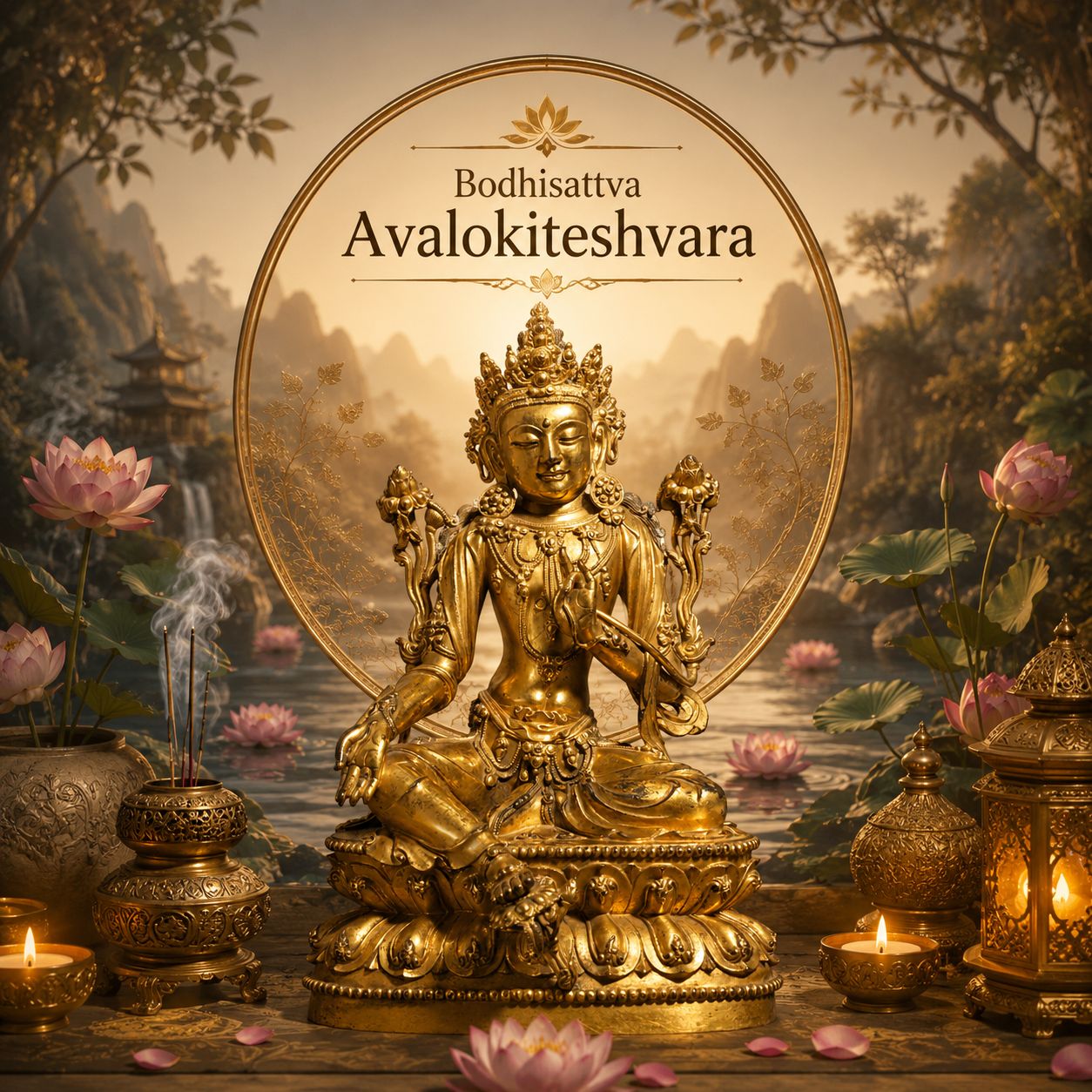
In antique and decorative arts, this enlightened being is celebrated through iconic sculptures, paintings & figurines spanning South, Southeast, and East Asia. These figurines are priced for their serene spirituality, historical rarity, and master craftsmanship. In this blog, we explore the artistic significance of Bodhisattva Avalokiteshvara monumental figures and sculptures and why collectors continue to place strong value on these remarkable works.
Who Is Avalokiteshvara?
Avalokiteshvara is one of the most revered bodhisattvas in Mahayana Buddhism.
Meaning of the Name: The name stems from Sanskrit, loosely translating to “the Lord who looks down upon the world” or “the lord who gazes with compassion”. It is a combination of Ava (“down”), “Lokita” (“to gaze or observe”) and “Ishvara” (“lord”).
The Story of Avalokiteshvara
The origin of Avalokiteshvara is closely related to Buddhist philosophy.
The Vow: At the beginning of his spiritual journey, he vowed, “I will not rest if there is even one being left in pain. If I ever betray this promise, may my body fall apart.”
The Despair: He spent countless lifetimes working tirelessly to liberate beings. One day, he looked down from the heavens and wept, realizing that no matter how many people he saved, the realms of hell remained full of suffering beings. Overcome by grief and despair, his body was shattered into thousands of pieces.
The Transformation: His teacher, Amitabha Buddha, heard his cries, gathered the pieces, and rebuilt him into a powerful new form with:
1,000 Arms: Each hand possesses an eye to see the suffering of the world and the power to reach out and help.
11 Heads: These were granted so he could hear the cries of all beings in all directions simultaneously and understand the vastness of the universe.
Different Forms of Avalokiteshvara
Various traditions and civilizations tend to generally depict Avalokiteshvara differently.
• Indian Origins: Early depictions began in the Kushana period as princely, lotus-bearing figures. Significant stone and bronze figures radiating compassion and salvation were crafted at sites like Nalanda and Sarnath
• China: Known as Guanyin, where he is most frequently depicted in a female form representing a motherly, nurturing type of compassion.
• Tibet: Known as Chenrezig (Spyan-ras-gzigs), he is the most vital figure in Tibetan Buddhism and is famously incarnated in the Dalai Lama.
• Japan: Known as Kannon, frequently appearing in Zen Buddhist temples.
• Other Forms: Often portrayed with multiple arms and heads to symbolize his omniscient ability to see and alleviate suffering from all directions simultaneously.
Key Iconography
The Avalokiteshvara sculptures can vary drastically by region, but you can usually identify a genuine piece by these distinct features:
• The Lotus: He frequently holds a long-stemmed, blooming lotus flower (or has one resting near his shoulder), symbolizing spiritual awakening and purity.
• Amitabha Buddha in Crown: A small image of the meditating Buddha Amitabha is embedded within Avalokiteshvara’s elaborate headdress, symbolizing Amitabha as his spiritual progenitor.
• Mudras: The right hand is often displayed in the varada mudra (a gesture of gift-giving or granting boons), while his posture typically exudes “royal ease”.
• Multiple Arms and Heads: In many traditions, he is depicted with 11 heads and a thousand arms to represent his ability to perceive and assist suffering in all directions simultaneously.
• The Posture: Often depicted with a graceful sway, known as tribhanga, or seated in a posture of royal ease (lalitasana) to reflect his readiness to listen to the cries of the world.
The Allure of the Figurines
The allure of these figurines and monumental sculptures lies in their unique ability to blend spirituality, history, and artistic mastery into a single form.
• Symbolism of Compassion: The defining feature of an Avalokiteshvara figurine is its deep spiritual meaning. The selfless devotion of Avalokiteshvara draws deep emotional resonance from devotees and collectors.
• Varied Forms: Collectors are drawn to the immense variety in the figurines. You might find a simple, pensive standing pose (Padmapani) holding a lotus, or highly complex, tantric multi-armed forms that blend diverse regional aesthetics.
• Meditative Aesthetics: The craftsmanship across periods—from the soft smiles of Korean gilt-bronze to the antique lustre of brass idols—produces a powerful aura of tranquillity.
Valuation Of Such Figurines and Sculptures
Collectors value such figures of the Bodhisattva Avalokiteshvara—the Buddhist deity of compassion—based on provenance, iconography, material, and sculptural scale.
• Provenance and Historical Pedigree
Provenance is the single biggest driver of value in Asian antiquities. Works that trace back to distinguished, well-documented collections command significant premiums.
• Age and Dynasty
The historical period from which the sculpture originated or is attributed to matters greatly. Sculptures from early Buddhist kingdoms or recognized dynasties tend to command higher prices.
• Iconography and Rarity
The iconography of the Avalokiteshvara plays a significant role in determining its value. Collectors place immense value on complex, esoteric, or highly specific forms of Avalokiteshvara.
• Multifaceted Forms: Statues featuring elaborate attributes, such as the Eleven-Headed Avalokiteshvara, are considered very valuable.
• Thousand-Armed: These sculptures blend diverse regional aesthetics and are highly sought after.
• The Presence of Amitabha: Identifying the tiny meditating figure of Amitabha Buddha in the bodhisattva’s crown serves as definitive proof of Avalokiteshvara, which historically authenticates the piece.
• Materials and Casting Quality
The medium dictates the base valuation of such sculptures and figurines.
Collectors examine details such as:
• Fine casting quality
• Surface wear and patina
• Intricate jewellery and crown designs
• Hand-carved facial expressions
• Remaining traces of gilding or pigments
• Spiritual Presence
Interestingly, value is not always based solely on age. Many collectors speak about the emotional or spiritual impact of a figure. A serene expression, balanced posture, or refined detailing can strongly influence desirability.
• Material & Scale
Large-scale sculptures cast in gilt-bronze or carved from rare stones are major attractions. The difficulty of casting or carving monumental works drives collector demand.
True “monumental” statues ( measuring between 100 cm and over 250 cm) are incredibly rare and highly prized. Because Avalokiteshvara is the embodiment of compassion who interacts with the earthly realm, these grand, life-sized statues were originally designed for public worship in major temples.
• Condition
The condition of such sculptures and antiquities plays a vital role in determining their value.
Original Patina: Untouched, naturally aged patinas (like mineral oxidization or original surviving gilt) are mandatory for top valuation.
Intact Details: Intact Bodhisattva sculptures adorned with a lotus flower, intricate jewellery, and multiple hand gestures (mudras) are always more valuable than sculptures that are missing extremities or damaged.
Final Thoughts: The Balance Between Art and Devotion
One reason Avalokiteshvara figures remain timeless is their ability to exist in two worlds at once. They are deeply spiritual objects, yet they also stand as masterpieces of human craftsmanship.
Antique Avalokiteshvara figures represent far more than collectible objects. They embody centuries of faith, artistic achievement, and cultural exchange across Asia.
For collectors, owning such a piece is often about more than investment. It is about preserving history and connecting with an artistic tradition rooted in compassion and spiritual beauty.


About Post Author