The Art of Layers: Mixed Media Paintings In India
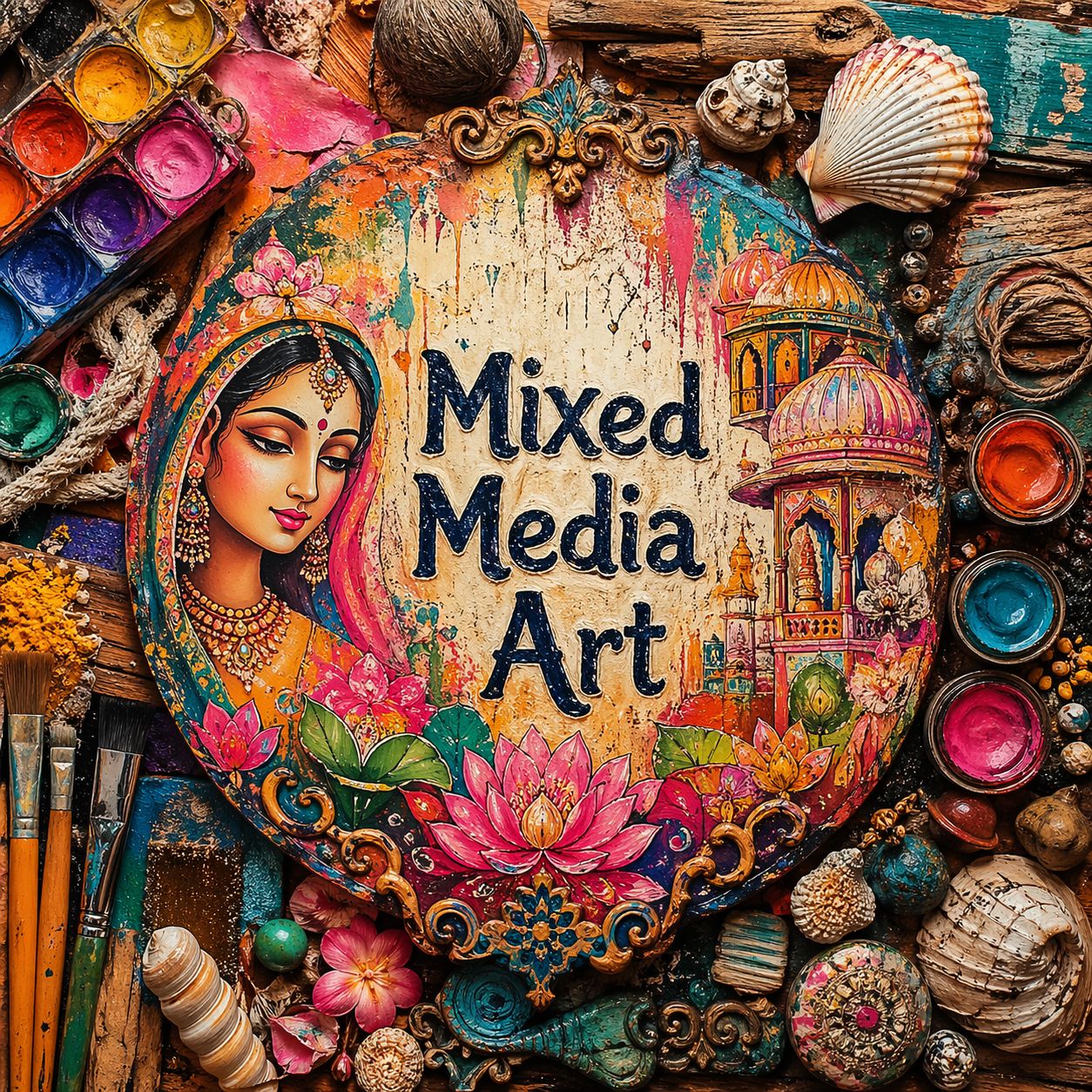
What happens when an artist decides that one medium is not enough? When paint alone cannot fully express an idea, a feeling, or a story, boundaries begin to dissolve. At that moment, mixed media art is born — not as a limitation, but as a liberation. In this evolving space, textures are layered, materials are fused, and stories are expanded beyond the conventional canvas.
In India, this artistic shift has been increasingly embraced. Mixed media painting has been adopted as a dynamic and experimental form of expression, where traditional practices are being reimagined through contemporary techniques. As a result, artworks are being created that reflect not just aesthetics, but also the layered realities of modern Indian life.
Also Read: Giftex Art Auction Preview Blog
What is Mixed Media Art?
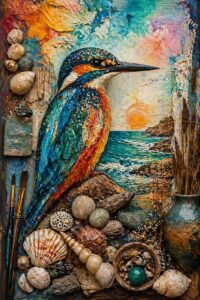
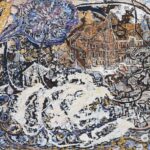
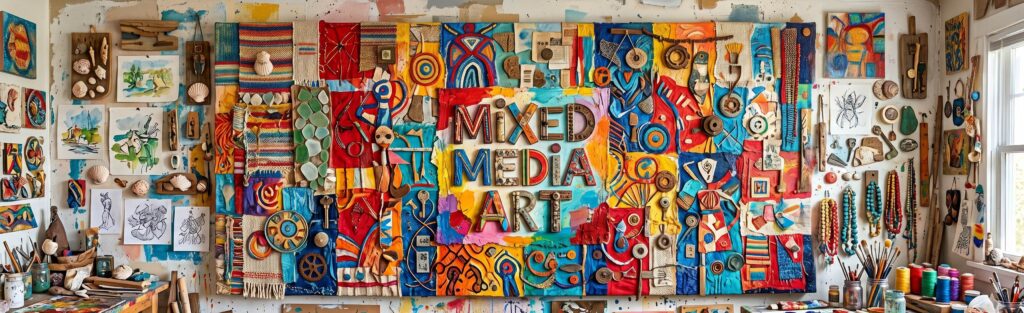
Mixed media art is defined as a contemporary art form in which more than two artistic media or techniques are used within a single artwork. Instead of being confined to paint alone, artists are encouraged to combine materials such as paper, fabric, metal, photography, and even digital elements.
A canvas, therefore, is no longer seen as a flat surface. It is transformed into a storytelling space where oil paint may be layered over textured paper, photographs may be blended with acrylic colours, and traditional motifs may be juxtaposed with abstract forms.
Mixed Media Painting in the Indian Context
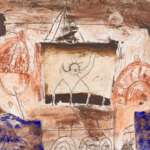
In the Indian art scene, mixed media painting has been significantly shaped by cultural diversity and rapid urban transformation. Traditional elements such as textiles, folk patterns, and religious symbolism are frequently combined with industrial materials and contemporary techniques.
On one hand, India’s rich artistic traditions are preserved. On the other hand, pressing themes such as urbanization, identity, migration, and environmental concerns are explored.
Key Aspects of Mixed Media in Modern Indian Art
- Materials and Techniques
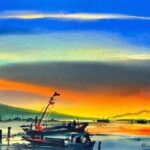
A wide variety of materials is typically used in Indian mixed media painting. Traditional media like acrylics, oil paints, ink, and watercolour are combined with unconventional elements such as handmade paper, newspaper clippings, fabric pieces, metal foils, and found objects.
Additionally, techniques such as layering, collage, assemblage, and impasto are commonly employed. Through layering, depth is created. Through collage, stories are constructed.
- Cultural Fusion
Indian mixed media art is often characterized by cultural fusion. Traditional motifs inspired by folk art, temple architecture, and textiles are integrated with modern visual language.
At the same time, contemporary issues are addressed. Themes such as climate change, consumerism, and displacement are frequently represented.
Growing Popularity Among Indian Art Collectors
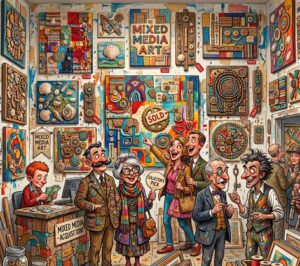
In recent years, mixed media painting has been increasingly preferred by Indian art collectors. Across metropolitan cities and emerging cultural hubs, buyers are being drawn to artworks that offer more than visual appeal.
This shift can be attributed to several factors.
Firstly, mixed media artworks are perceived as unique and experimental.
Secondly, they provide tactile richness and layered narratives that traditional paintings may not always offer.
Moreover, collectors are now seeking art that tells a story.
Painting Medium Used in Mixed Media Art
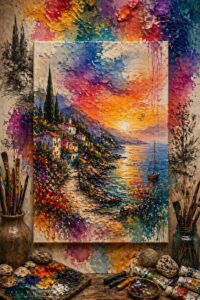
A variety of media is typically incorporated into mixed media painting.
- Oil Paints
Oil paints are widely used for their rich pigmentation and slow drying time.
- Acrylic Paints
Acrylic paints are preferred for their versatility. They can be thinned to mimic watercolour or applied thickly for texture.
- Watercolour Paints
Watercolours are valued for their transparency. They are often used as a base layer or combined with ink and pencils for subtle detailing.
- Gouache
Gouache offers a balance between opacity and fluidity. It is frequently used to add bold yet smooth colour layers.
- Pencils
Graphite and coloured pencils are commonly used for sketching, shading, and fine detailing.
- Pastels
Oil and soft pastels are chosen for their vibrant colours and blending capabilities.
- Collagraphy
In this technique, textured plates are created and then inked and pressed onto paper. This adds unique patterns and depth.
- Fabric
Materials such as silk, burlap, and cotton are incorporated to introduce texture and cultural symbolism.
- Found Objects
Objects like buttons, feathers, and shells are embedded or attached to create a three-dimensional effect.
- Digital Painting
Digital tools are increasingly being integrated with traditional media, allowing artists to experiment across physical and virtual boundaries.
Top Mixed Media Artists in India
Several Indian artists have been recognized for their innovative use of mixed media.
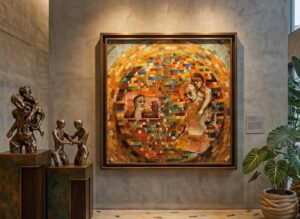
Known as a pioneer, her work often combines reverse painting, video projections, and shadow play. Immersive environments are created that explore themes of gender, mythology, and politics.
- Bharti Kher
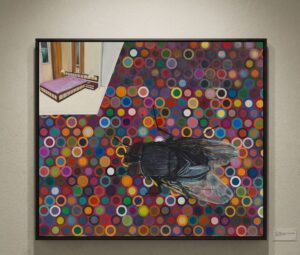
Her iconic use of bindis transforms surfaces into symbolic narratives. Painting, sculpture, and installation are seamlessly merged.
- Jitish Kallat
Photography, painting, and found objects are combined to reflect urban life, memory, and the passage of time.
- Subodh Gupta
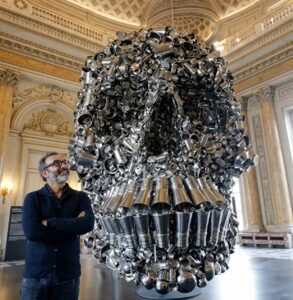
Everyday objects, especially stainless steel utensils, are used to comment on consumerism and Indian identity.
- Raqib Shaw
His intricate works combine enamel, gold, and glitter to create dreamlike, detailed compositions.
- Jogen Chowdhury
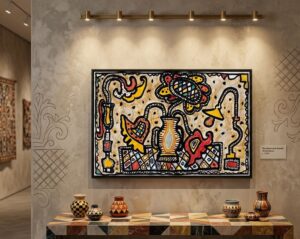
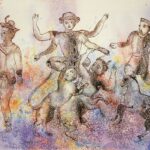
Ink, watercolour, and pastel are used to create expressive, distorted human figures.
These artists have demonstrated how mixed media can be used not just as a technique, but as a powerful storytelling tool.
Why Mixed Media Matters Today
In today’s fast-changing world, art is expected to do more than decorate spaces. It is expected to question, reflect, and connect. Mixed media painting fulfils this role effectively.
Through the combination of materials and methods, complex ideas can be communicated.
In India, where diversity and transformation coexist, mixed media has become especially relevant. It allows artists to capture contradictions, transitions, and cultural intersections in ways that traditional formats may not.
Final Thoughts
Mixed media painting is not just a trend. It is an evolving language of artistic expression. In the Indian scenario, it has been shaped by history, culture, and modern challenges.
As artists continue to experiment, boundaries will be further pushed. New materials will be explored, and new stories will be told. Consequently, mixed media art will continue to grow, both in significance and popularity.
Giftex: Modern and Contemporary Art Auction
Get ready for an art extravaganza.
This April 26–27, Giftex brings its Modern Indian Art Auction — a curated showcase of masterpieces that speak of India’s legacy, creativity, and evolving artistic voice.
Mark your dates. Experience the stories behind the canvas.


About Post Author