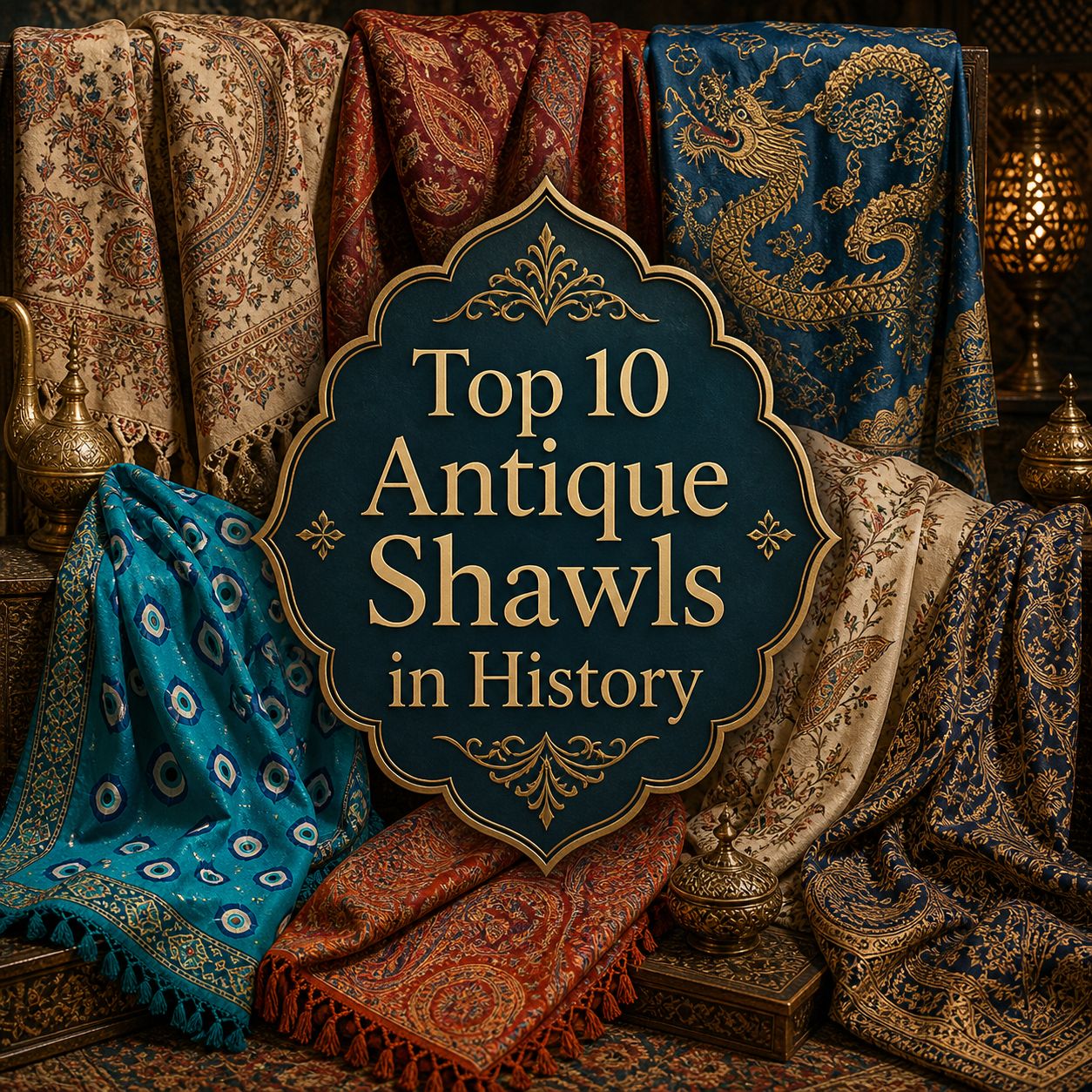
Wrapped in Legacy: The Story of Historic Antique Shawls
Antique shawls have always carried more than warmth. They have carried stories. Draped over shoulders in royal courts and passed quietly through generations, these textiles have reflected power, taste, and identity. For centuries, they were not just garments but markers of wealth and refined craftsmanship.
Among the most celebrated are Kashmir Pashmina shawls, admired for their softness, intricate patterns, and painstaking techniques. From the elegant Pashmina shawls to the intricate Kani shawls, these pieces were often worn by royalty and nobility. Over time, they were inherited, gifted, and preserved, becoming treasured heirlooms.
In this blog, we explore ten remarkable antique shawls from different periods and regions. Each one tells a story of design, ownership, and cultural significance.
Also Read: Top 10 Types of Indian Shawls
Why Antique Shawls Remain Collectible Today
Antique shawls continue to be highly collectible, and this can be explained through several key reasons.
Firstly, exceptional craftsmanship is seen in every thread. Unlike modern mass production, these shawls were entirely handmade.
Secondly, rare materials such as Pashmina wool and fine silk were used. These materials were sourced carefully, which added to the exclusivity of each shawl.
Moreover, historical value is attached to these textiles. Many shawls were owned by royalty or influential figures.
Another important factor is durability. Despite their age, many antique shawls have been preserved in excellent condition.
Top 10 Antique Shawls Throughout History
Here are 10 of the most famous shawls ever produced, based on historical significance, craftsmanship, and prominent ownership:
- Empress Josephine’s Kashmir Shawl Collection
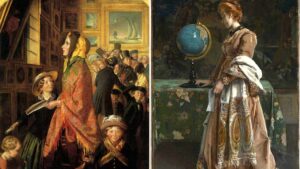
Empress Josephine, Napoleon Bonaparte’s wife, was such a devoted collector that over 400 Kashmir shawls were owned by her, featuring traditional paisley (boteh) and floral patterns.
One particular portrait shows Josephine wearing a red Kashmir shawl with a diamond and turquoise parure. These shawls turned into accessories that all ladies of high standing wanted to be seen in when they became fashion items in Europe
Significance: The global demand for Kashmir shawls was largely influenced by Josephine’s patronage.
- Akbar the Great’s “Parm Narm” Shawls (16th Century)
Emperor Akbar the Great (reigned 1556–1605) was a massive proponent of the Kashmiri shawl industry, and he specifically coined the term “parm-narm” (or param-naram) to describe the extraordinary softness of the shawls produced during the 16th century.
Known for extreme softness (“Parm Narm”), often in solid white or natural buff, and later, the introduction of the Do-Shalla (two identical shawls worn together).
Significance: Mughal patronage elevated the status of Kashmiri weaving. It was during this time that shawl-making reached its artistic peak.
- The Kani Shawls of Kashmir
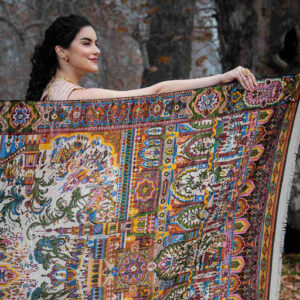
Kani shawls are known for their complex weaving technique. Instead of embroidery, small wooden sticks called “kanis” were used to weave patterns directly into the fabric.
These shawls often displayed elaborate paisley designs and required months, sometimes years, to complete.
Significance: The Kani technique is considered one of the most sophisticated forms of textile weaving. Even today, it remains a symbol of exceptional craftsmanship.
- The Moon Shawl (Chandar)
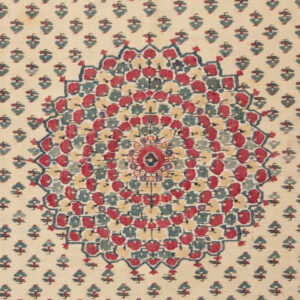
The Moon Shawl (or chandar) was a highly popular Kashmiri export to Europe in the late 18th and 19th centuries, recognized for its distinctive design and meticulous craftsmanship. It was a staple of the “Cashmere fever” that swept through British and French high society.
The Defining feature is a large circular medallion at the center, representing the “moon,” frequently surrounded by quarter medallions at each corner.
Significance: It was seen as a mark of luxury and status, with many famous figures of the time, including Empress Joséphine, owning collections of Kashmir shawls.
- The Paisley Shawls of Scotland
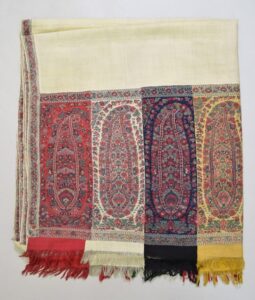
Inspired by Kashmiri designs, Scottish weavers in the town of Paisley began producing shawls in the 19th century. These were made using Jacquard looms, which allowed for faster production.
Although machine-made, these shawls retained intricate patterns and became widely popular in Europe.
Significance: Paisley shawls represent the industrial adaptation of traditional art. They made luxury designs more accessible to the middle class.
- The Double-Sided Dorukha Shawl
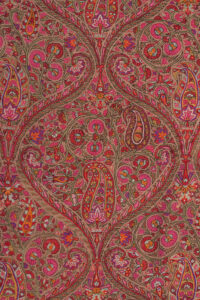
The Dorukha (or Do-shala) is a premier, luxury, double-sided shawl originating from Kashmir, designed to be worn on both sides, with the embroidery perfectly finished on each surface. The term Dorukha literally translates to “two-sided” or “two-faced” in Hindi/Urdu, representing a pinnacle of Kashmiri textile art.
The technique often involves Suzani (or Sozni) embroidery, a delicate needlework that makes the pattern look identical on both sides.
Significance: Dorukha shawls are considered invaluable collector’s items and are often passed down through generations.
- The Ring Shawl (Shahtoosh)
The Shahtoosh (or Shahtush) shawl, commonly known as the “Ring Shawl” or “King of Fine Wools,” is a luxurious garment made from the exceptionally fine underfur of the Tibetan antelope (Chiru). Renowned for its extreme softness, warmth, and lightweight nature, its history is deeply rooted in Mughal royalty, while its production is now illegal worldwide due to the conservation status of the animal.
The “Ring Test“: The most distinguishing feature of a genuine shahtoosh shawl is its extreme fineness—a full-sized shawl (approx. 2m x 1m) can be pulled through a finger ring.
Significance: Historically, it was considered a prestigious heirloom, status symbol, and an elite luxury item.
- The Ottoman Empire Shawls
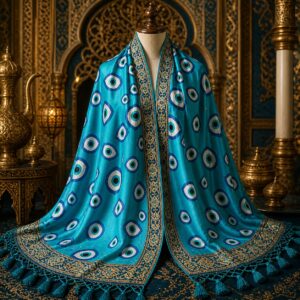
In the Ottoman Empire, shawls were often worn as part of court attire. These shawls featured geometric and floral patterns, often woven with silk threads.
They were used not only for warmth but also as decorative elements in clothing.
Significance: Ottoman shawls reflect a blend of Eastern and Western influences. They played a role in shaping textile traditions across regions.
9. Queen Victoria’s Map Shawl (Srinagar Mapping Shawl)
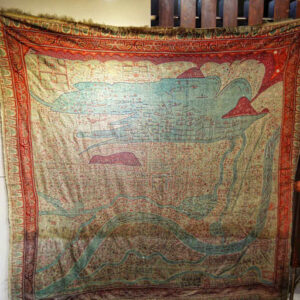
The amazing and exquisite shawl features a map of Srinagar. This Shawl took 30 years to make. There are 3 or 4 such specimens in the world.
One was reportedly presented to Queen Victoria by Maharaja Ranbir Singh and is presently at the Victoria and Albert Museum in London.
Significance: This has to be one of the most amazing pieces of Art on Fabric ever created. This shawl is a masterpiece of Kashmiri kani work on a Pashmina Shawl.
- The Chinese Silk Shawls
Chinese antique shawls, especially from the Qing dynasty, were known for their embroidery. Dragons, flowers, and symbolic motifs were commonly featured.
These shawls were often worn by nobility and were made using fine silk.
Significance: Chinese shawls highlight the importance of symbolism in textile design. Each motif carried cultural meaning.
Final Thoughts
Antique shawls are not just garments. They are pieces of history that have been woven with care, skill, and cultural meaning. Over time, they have been preserved, admired, and passed down through generations.
From royal courts to modern collections, their journey has been remarkable. While fashion continues to evolve, the charm of antique shawls remains unchanged.
For anyone interested in textiles, history, or craftsmanship, these shawls offer something truly special. They provide a connection to the past while continuing to inspire the present.
Giftex: A World of Collectibles Auction
This May, Giftex brings you the latest edition of its renowned A World of Collectibles Auction. From rare antiques to carefully curated vintage finds, each piece has been selected for its character and history.
Discover objects that inspire, connect with stories that span generations, and bring home something that carries a true sense of legacy


About Post Author